 Indigenous
 Overview
Do you love all things science? Investigating questions? Setting up experiments? The Biotechnology Advanced program at St. Lawrence College is a predominantly hands-on, laboratory, and practical based course. As a student you will perform genetic assays, investigate contaminated soil and water, determine food-borne illnesses, clone for proteins, ferment antibiotics, and create plant hybrids.
According to Statistics Canada, Biotechnology is one of the fastest growing global industries with Canada providing a strong and growing employer base in the biotech sector necessitating the demand for well-trained laboratory personnel. Our program employs contemporary molecular biology, microbiology, immunology, chemistry, biochemistry, fermentation and protein technology, applied genetics, cell culture, environmental and analytical instrumentation labs that offer practical training in all aspects of biotechnology with a focus on the hands-on applied skills that ensure our students are ready for immediate integration into the work force. The final 14-week semester of our program is dedicated to providing a real-world learning opportunity by placing our students in a research or industrial work site as an entry-level Biotechnologist.
Study in Ireland: earn a Degree in one year
Graduates of the Biotechnology Advanced program can turn their advanced diploma into a Bachelor of Science (Honours) in Medical Biotechnology degree in one year (two academic semesters) at Atlantic Technological Institute in Sligo, Ireland.
Program Details
Program Highlights
Biotechnologists:
- Perform DNA genotyping for disease diagnostics and forensic analyses
- Genetically engineer bacteria for bioremediation and plants for phytoremediation
- Conduct world class research in order to identify and combat diseases such as HIV, COVID-19, cancer and rabies
- Develop new antibiotics to combat drug resistant pathogens or new and emerging diseases
- Craft beer, wine, cheese and other food products
- Produce therapeutic drugs
- Research and design new assays and control methods for environmental contaminants/pollutants
- Oversee the Quality Control/Quality Assurance programs that ensure food, beverage and pharmaceutical safety
- Utilize microbial processes to produce 'green' alternative fuels
- Use molecular and biochemical tools to assess and monitor the ecology of endangered species
Program Outline
2026-2027
Cell biology is the basis of Biotechnology. Topics include the fundamental biological, physical and chemical principles of the cell with reference to energy flow, structure and function, anatomy, reproduction, genetics and cell diversity. Through discussion, participation in projects and presentations, learners determine the roles of cells, cell types, functions and interactions.
Biotechnology is a multidisciplinary term that encompasses biological, chemical and physical sciences. In this laboratory-lecture integrated course, students undertake a suite of topics and practical skills that are fundamental to the contemporary Biotechnologist. Learners explore laboratory techniques that reinforce GLP (Good Laboratory Practices), aseptic techniques, good research protocol, collaboration, and documentation. Students learn Basic Laboratory Skills, Microscopy, Molecular Biotechnology, and Tissue Culture. Learners implement a variety of methods in the laboratory to collect and analyse data, maintain an industry standard laboratory notebook, prepare experimental summaries and demonstrate competency in technical skills that are foundational to Biotechnology.
Foundational knowledge of general chemistry principles is vital for performance-based applications in analytical chemistry and quality assurance. Key topics include inorganic chemistry, atomic structure, periodic table, chemical bonding, nomenclature, ionic and covalent compounds, reaction kinetics, stoichiometry, phases of matter, solutions, acids and bases, and associated mathematical operations. Learners implement problem-solving, mathematical calculations, and critical thinking to balance chemical equations to determine the experimental implications.
The handling, manipulation, storage and disposal of chemicals is critical to laboratory safety. Learners practice safety through Good Laboratory Practices (GLP) and WHMIS as they utilize and maintain laboratory chemicals, reagents, tools, and operate equipment in order to prepare solutions, perform chemical titrations, generate calibration curves, and perform assays relative to quality assurance QA) and quality control (QC). Students also operate basic laboratory equipment and handle a variety of reagents. Learners implement a variety of methods in the laboratory to collect and analyse data, generate laboratory reports, QA/QC evaluations and practice technical skills that are foundational to Biotechnology.
Technical Communications is a foundational course designed to equip students with the essential skills necessary for effective communication in technical and professional settings. Through a blend of theoretical knowledge and practical application, students learn various communication strategies, including written, oral, and visual communication techniques tailored specifically for technical contexts.
Laboratory numeracy is essential to all scientific disciplines. Learners examine quantitative laboratory data encompassing calculations with units, scientific notation, dilutions, concentrations, and the interpretation of graphical and statistical information. Learners demonstrate knowledge by applying mathematical equations to solve a variety of lab-based scenarios, analyse information and generate visual interpretations of data.
Plants are integral to Biotechnology. Learners explore plant anatomy and physiology, lab-based techniques including the isolation of explants and establishment of callus and suspension cultures, hydroponic growth, protoplasts and embryo culture, plant engineering techniques for initiating hybrids, GMOs, and nutraceuticals. Discussions, in-class exercises, presentations and summaries evaluate the immense scope of plants in contemporary Biotechnology. Employment opportunities in Plant Biotechnology are investigated through team research projects culminating in a minisymposium and poster presentation.
Bioorganic chemistry is the bridge that unites biological and chemical aspects of Biotechnology. Learners explore the major organic functional groups, nomenclature and important reactions of the organic compounds. The principles of biochemistry include biological chemistry, structure and function of the major constituents of cells including proteins, nucleic acids, carbohydrates, and lipids, the relationships between these molecules, and the metabolic pathways. Learners discuss and implement problem-solving, mathematical calculations, and critical thinking to balance chemical equations, measure metabolic pathways and examine enzyme kinetics in order to determine the experimental implications.
Analytical instrumentation is an essential tool in Biotechnology. The pharmaceutical, food and environmental industries rely heavily on instrumentation techniques for quality monitoring and control of food, drug and water safety . This laboratory-lecture integrated course explores methods in analytical chemistry that are applicable to many laboratory, industry, and research settings. Analytical methods such as high-performance liquid chromatography (HPLC), gas chromatography, mass spectrometry (GC-MS), inductively coupled plasma (ICP), ultraviolet, fluorescence and visible spectroscopy, infrared spectroscopy, atomic absorption (AA), and radiological detection methods are discussed in parallel with practical applications experienced in the laboratory. Learners operate a suite of analytical equipment in the laboratory to collect and analyse data, generate laboratory reports, maintain an industry standard laboratory notebook.
The complexity of Biotechnology is further explored, building upon foundational theories, applications, and Good Laboratory Practices (GLP). Emphasis on Microscopy, Molecular Biotechnology, and Tissue Culture, provides learners the opportunity to select and implement diverse methods, skills, and analyses used in contemporary Biotechnology. Learners implement various approaches in the laboratory to collect, compare and analyse data, maintain an industry standard laboratory notebook, prepare experimental summaries, write a scientific report and demonstrate competency in technical skills.
Mathematical applications are critical to the success of scientific experimentation in Biotechnology. Learners gain techniques for interpreting problems and translating them into relevant mathematical equations. An emphasis is placed on using basic algebraic and calculus techniques to solve equations and functions as they apply to the scientific field. Learners examine real-world scenarios and apply mathematical formulae to analyse and interpret information, formulate solutions and reagents and present visual interpretations of data.
Biotechnologists must strictly adhere to ethics in a discipline that involves human health and wellbeing, environmental monitoring and food safety. This course promotes responsible and ethical practices for novel technologies in the biological sciences as well as the social responsibility of biotechnological applications in the fields of health care, food and agriculture, industry and the environment. Knowledge is demonstrate as learners examine and dissect various contemporary, controversial bioethical issues related to Biotechnology through independent research, article summaries, opinion reports and a series of debates that include pre-debate opinion summaries, discourse, and post-debate reflections.
Biotechnology is paramount for long-term environmental sustainability through the development of various approaches to monitor and remediate soil and water. Learners examine the fundamentals of environmental science and its relationship with biotechnology. Government regulations, guidelines, and certifications (e.g., Ontario Water/Wastewater Certification Office), and accompanying laboratory operations such as accreditation requirements and sample collection and preparation are discussed. Learners explore the testing and treatment of drinking and wastewater, and waste management, site assessment, and remediation. Learners examine how humans influence ecosystem stability through an investigation of local and global issues as a team project and presentation. Knowledge will be generated by waste management reports and standard operation protocols (SOPs) designed for water quality analyses.
Biotechnology is central to sustaining the environment. In this laboratory-based course, learners explore environmental sustainability from a biological perspective. Bioremediation, water quality, and biofuels are explored via practical experimentation and applied laboratory techniques that follow industry standards. Learners complete sample chain of custody forms, generate and analyse data while demonstrating competency and safety in the laboratory.
Biotechnology is central to sustaining the environment. In this laboratory-based course, learners explore environmental sustainability from a chemical perspective. Learners will perform environmental chemical analyses following government regulations, using standardized methods for sample collection, preparation, and analysis. Learners will demonstrate knowledge through record keeping and sample management in the form of chain of custody with special emphasis on water quality standards and monitoring in a field setting. Learners apply quality assurance and control strategies to support valid laboratory analyses of environmental samples, according to accreditation standards.
Microorganisms are the backbone of industrial Biotechnology, food production and safety and environmental contamination and remediation. This laboratory-lecture integrated courseintroduces learners to the basic principles of microbiology: structure, classification, ecology, nutrition, physiology, control and genetics of bacteria and viruses. Basic principles of epidemiology and immunity are also introduced. Learners must demonstrate competency using various laboratory methods for microbial isolation, growth, identification, enumeration and control. Additionally, learners must collect and analyse experimental data while consistently adhering to all safety practices and regulations pertinent to a Containment Level 2 (CL2) facility.
Quality Assurance and Quality Control (QA/QC) is the cornerstone of all science. This laboratorylecture integrated course will focus on the systems and procedures required to meet the code of practices set out by various regulatory bodies applicable to Biotechnology. Learners will apply the principles of Quality Assurance and Quality Control (QA/QC) to equipment calibration and maintenance, chains of custody, sample handling, storage and disposal that are fundamental to Good Manufacturing Practices (GMP). Learners will demonstrate knowledge in the laboratory setting by supporting and calibrating equipment, maintaining QA/QC documentation after evaluating data.
Molecular biology is one of the most utilized applications in Biotechnology. It is the foundation of health-related research, forensics, population studies, environmental and ecological research, pharmaceutical and crop development. In this course, learners will familiarize themselves with many of the introductory techniques that are the basis of molecular biology including molecular data mining, DNA extraction, quantification and qualification of nucleic acids and polymerase chain reaction (PCR) to amplify and target region of DNA. Learners will demonstrate competency in the lab by performing and trouble-shooting experiments, collecting and analysing data, maintaining an industry standard laboratory notebook, databank research and adhering to safety practices in the lab.
Food Safety Microbiology Food safety is vital to human health. In this laboratory-lecture integrated course, learners apply regulatory standard protocols to analyze food for microbes and their metabolic products and to preserve foods using chemical and physical processes that meet industry and governmental guidelines. Learners demonstrate competency by using techniques to isolate and identify foodborne pathogens using various industry standard microbiological and biochemical techniques as well as apply regulatory standard protocols to complete food quality assessments.
Molecular Biology is the foundation of Biotechnology. Learners apply the theory and techniques associated with the isolation, purification, quantification, manipulation and characterization of nucleic acids. Topics include extraction of nucleic acids, restriction endonuclease digestions, plasmid mapping, polymerase chain reaction (PCR), genotyping, molecular diagnostics, and bioinformatics culminating in an individually researched, designed and optimized experimental process. Learners demonstrate knowledge via industry standard laboratory notebooks, competency-based assessments and a capstone project designed to appraise the combination of theoretical knowledge, research capabilities, writing and laboratory skills related to molecular biology.
Analytical chemistry and instrumentation plays a crucial role in food and pharmaceutical safety. This laboratory-based course expands upon foundational analytical chemistry and instrumentation techniques, specifically in how it is applied to quality control and quality assurance. Learners focus on developing and utilizing methods to analyse material and products from the pharmaceutical and food industries. Separation, purification, characterization and identification of active pharmaceutical agents, preservatives, contaminants, and food ingredients using instrumentation are practiced. Learners will demonstrate competency through experimental summaries and reports based on data collected and analysed during laboratory experiments and processes.
Biotechnologists must be aware of and adhere to a wide range of laws, regulations and good laboratory/management practices (GLP/GMP) in order to maintain a valid local, provincial, federal or global presence in the scientific community. In this course, learners define and apply the principles for continuous improvement, including Good Laboratory Practices (GLP), Good Manufacturing Practices (GMP) Good Clinical Practice (GCP) and Hazards Analysis Critical Control Points (HACCP) to aid in laboratory documentation, regulatory acts and compliance activities significant to service contracts, equipment purchasing, and inventory control. In addition, learners explore biotechnology-related product-development in order to articulate key concepts in entrepreneurship. Learners demonstrate knowledge by writing a Level 2 Biohazards permit application, designing standard operating protocols (SOPs) and budgets, completing QA/QC and HACCP charts and culminate in a team project to research, design, budget and market a novel product generated through Biotechnology.
Biostatistics Statistical analyses are necessary to test the validity of scientific results. Learners apply statistical methods to collect, tabulate, analyse, interpret and present data relative to experimental processes in Biotechnology. Learners will demonstrate knowledge through data description and presentation, summary measures, probability, the normal distribution, sampling, hypothesis testing, regression and correlation, and quality control.
Students develop a variety of professional skills and organize materials in order to prepare them for the workplace and enable them to better meet the needs of their placement site. Students research placement sites and state their placement preference based on an assessment of their own learning needs and abilities. Students build cover letters and functional scientific résumés, utilizing self-assessment strategies. Students must demonstrate that they are eligible for work placement by completing all of the compulsory organizational criteria and training for the college as well as any requirements specific to a chosen placement site. Students correspond with placements sites to secure their work experiences.
Biotechnology has vastly contributed to modern medicine through the development of immunological tools to assess disease. Contemporary immunology focuses on the development of individualized immunotherapy treatments for cancers, autoimmune disorders as well as novel medications and vaccines. Learners explore immunology and epidemiology, performing a variety of immunoassay techniques in the laboratory in the context of disease research, environmental toxicology, antibody production, and vaccine development, culminating in the isolation, purification and characterization of various compounds using a suite of immunological tools and techniques in order to collect, record and analyse data.
Research and development in Biotechnology, particularly in health-related fields often requires using animal systems to develop medications, vaccinations, gene therapies or disease research. In this course, learners determine federal and provincial laws and regulations governing the use of animals in science and teaching, principles of Standard Operating Procedures (SOPs), animal health and welfare, lab animal disease, zoonotic diseases, euthanasia, and biosafety standards and guidelines with relation to laboratory animal facilities. Learners practice safe and humane handling techniques and health monitoring as well as simulations to practice aseptic injection techniques and other technical training required when working with laboratory animals such as rats and mice. Learners will generate welfare logs, SOPs and demonstrate safe handling of mice and rats.
Biotechnology has revolutionized the non-invasive and ethical production of chemicals, medicine and vaccinations through fermentation and bioprocessing. Learners implement regulatory standard protocols to produce bench-top through to large-scale food and beverages, pharmaceutical products, metabolic and alternative fermentation products using industry standards of quality assurance, Hazards Analysis Critical Control Points (HACCP), Good Manufacturing Practices (GMP), and quality control. Learners explore requirements for practical fermentation processes including industrial level standard operating procedures (SOPs) for up and downstream processing. Learners will work in teams to produce, process, and purify major commodities such as pharmaceuticals, enzymes, and beverages.
Learners examine the principles of isolation, propagation, characterization, and preservation of animal and plant cell lines. Learners perform a variety of culture techniques such as medica preparation, maintenance of in vitro cell lines, plasmid transfection, clone selection by limited dilution and protoplast fusion hybridization of plant based somatic cell lines. Learners will use the combined knowledge gained from the theoretical and laboratory materials to design and carry out a cell culturebased experiment.
Biotechnology has profoundly transformed the world through genetic engineering, impacting medicine, agriculture, industry, and environmental sustainability. Learners will explore practices in cloning that relate to gene therapies, pharmaceutical breakthroughs and environmental bioremediation, utilize CRISPR-Cas9 techniques for improvement of crops through the development of GMOs (genetically modified organisms), and isolate gene sequences to examine for mutational properties through direct polymerase chain reaction and genetic sequencing. Learners will demonstrate competency in a suite of techniques applicable to genetic engineering in order to collect, interpret and present data.
In this course, students participate in a real world learning (RWL) environment. The work experience (placement) semester is designed to provide the opportunity for the student who has successfully completed their college courses in semesters one (1) through five (5) inclusive to apply their knowledge and skills in an actual RWL environment. The student participates in the operations, processes and protocols found in a biotechnology related workplace site.
This course is designed to immerse the student in a working laboratory and/or industrial facility and promote the successful integration of curriculum elements of performance in an applied setting. This opportunity affords students with the chance to access equipment and/or processes that may not have been accessible in the programme, promotes opportunities for specialization and provides for increased exposure to the industry and job potentials in a wide variety of fields associated with Biotechnology. The student has the opportunity to integrate theory and practice as well as to develop a professional network and reflect on their future career paths.
Prerequisite(s): Completion of all Semester 1-5 courses.
Requirements
Admission Requirements
Ontario Secondary School Diploma (OSSD) or equivalent with the following prerequisites:
- Grade 12 English at the C or U level
- Grade 12 Math at the C or U level; MTC4C recommended
- Grade 11 or 12 Chemistry at the C or U level
- Grade 11 or 12 Biology at the C or U level
For OSSD equivalency options, see Admission Requirements.
If you are missing prerequisite courses, enroll in the Career/College Prep program - free for Ontario residents who are 18 years or older.
Prerequisites
It is expected that students entering the program will have WHIMS (Workplace Hazardous Information Management System) Training prior to entering the program or within the first two weeks of the program through the college.
- Are your transcripts from outside of Canada? Please visit Applying to SLC - With Your Transcripts for more information.
Health Requirements
Immunization - Communicable Disease Requirements
You must complete the Pre-Placement Health Form as a condition of your placement. THIS FORM IS YOUR RESPONSIBILITY
Completed forms are to be uploaded via Placement Pass by ParaMed. To learn more, please visit our ParaMed information page.
Questions can be directed to placements@sl.on.ca.
Note: As a Full-time SLC student, you are automatically enrolled in a student insurance plan. To learn more about how this applies to your immunization requirements please visit www.wespeakstudent.com (domestic) or www.guard.me (international).
Fees
2026-2027
Fees are estimates only. Tuition is based on two semesters.
Fees are estimates only. Tuition is based on two semesters.
Kingston
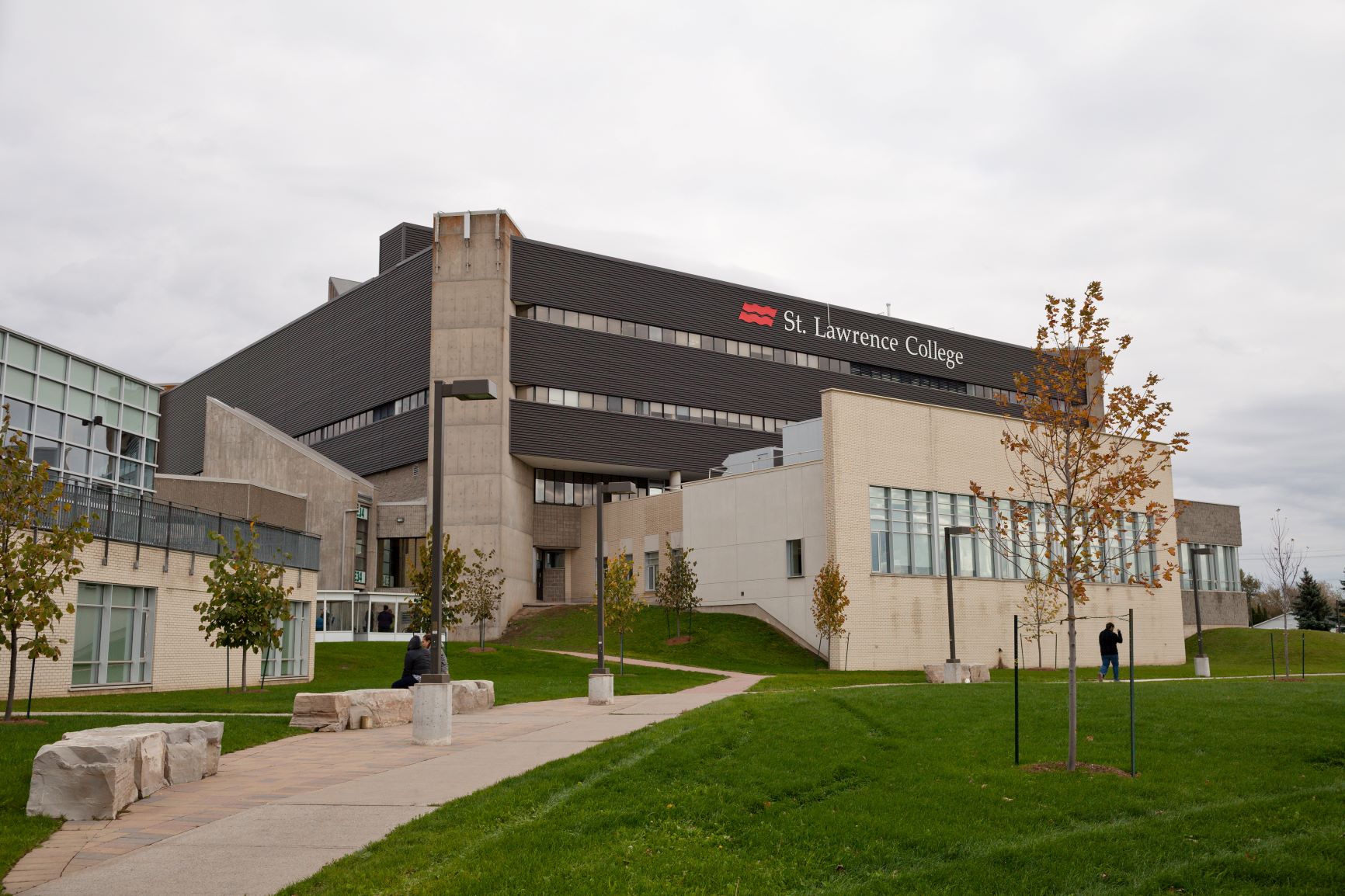
Our Kingston campus has seen significant renovation over the past few years, including a brand new Student Life and Innovation Centre that houses a new gymnasium, fitness centre, cafe, and more.

Career Opportunities
Biotechnology may be the best career for you if you are interested in:
- A career that allows you to work in science from a hands-on perspective
- Working to solve a broad variety of agricultural, medical, and environmental issues
- An education that prepares you for a broad spectrum of science-related jobs
- An advanced diploma that is part of an international growth industry and that provides you with direct pathways to earn a university degree
Biotechnology graduates are employed in:
- Academic research laboratories e.g. disease and medical research, ecology, bioremediation, genomics and proteomics
- Commercial research, development and production of biological products such as pharmaceuticals, foods, alcoholic beverages, bulk chemicals and bio-pesticides
- Microbiological, chemical and instrumental analyses of raw materials and finished products
- Environmental protection through waste management, detection of soil and water contaminants/pollutants and application of bioremediation techniques. Graduates are eligible to take the OWWCO (Ontario Water/Wastewater Certification Office) exams
- The possibilities are endless!
Testimonials
Program Contacts
Program Contact
Candace Scott
cscott@sl.on.ca
Admissions Information
Click here to message Recruitment.
Credit Transfer Opportunities
- Athabasca University - Bachelor of Science (Post Diploma) with Major/Applied Mathematics
- Athabasca University - Bachelor of Science (Post Diploma) with Major/Computing and Information Systems
- Athabasca University - Bachelor of Science (Post Diploma) with Major/Human Science
- Athabasca University - Bachelor of Science (Post Diploma) no Major