 Indigenous
 Overview
This degree program was the first of its kind in Canada. It provides comprehensive studies in the rapidly growing field of Behavioural Psychology. By combining classroom instruction plus 1,100 hours of supervised placement in community settings, our students graduate with excellent applied skills as well as the theoretical knowledge they need to prepare them for their careers, or further studies.
Governments and agencies are increasingly recognizing behavioural approaches as “best practices” in many fields such as autism, corrections, mental health services, education, developmental disabilities, and more. This honours degree program joins the well-established Behavioural Science diploma program and maintains St. Lawrence College’s national leadership position in the human services field.
The program is based on a behavioural framework which has been scientifically demonstrated to be effective in developing skills and reducing challenging behaviours with a wide range of clients in a variety of settings.
Students are taught a set of complex and highly effective skills at an honours degree level now demanded by more and more employers. In this program you will:
- Learn about psychological theory and research;
- Practice clinical skills (under supervision) with clients in up to three different settings;
- Graduate with the knowledge and skills to develop and carry out effective and efficient assessment and treatment programs with a variety of populations.
The early years of the program focus on a strong foundation in applied behaviour analysis (ABA), while the upper years of the program have a greater emphasis on behavioural counseling approaches. Students will develop a well-rounded set of knowledge and skills in ABA and behavioural counseling approaches.
All incoming students for Fall 2026 need to review the Academic Policies.
Program Details
Program Highlights
What Do Graduates of our Program Do?
Examples of what clinicians do while working in the field include helping:
- children to manage their behaviour in the classroom and improve their social skills
- children with autism to communicate and play with others
- people with developmental disabilities to take care of themselves
- young offenders to improve their social skills and manage their anger
- persons with mental health challenges to cope with and reduce their stress
- adult offenders to manage substance abuse and improve problem-solving skills
Many graduates embark on exciting careers upon graduation, while others pursue further education. It is not uncommon for our graduates to obtain a graduate certificate, a Masters degree, or a Doctoral degree. Common graduate programs of study include applied behaviour analysis, counselling psychology, education, disability studies, and occupational therapy. Students who wish to pursue graduate studies are encouraged to check the specific admission requirements of the granting body or learning institution they are interested in attending after St. Lawrence College.
Note: there are certain clinical positions that will require a graduate degree and/or registration with a regulated health profession. Our faculty are happy to help students navigate these various opportunities and their respective requirements for employment.
Faculty
Our full and part-time faculty have extensive and varied clinical experience that they bring into their teaching. Learn more about the full-time faculty in this program.
Mentoring Program
First year students participate in a very engaging and exciting mentoring program whereby they are grouped with other students with similar interests and needs and assigned a mentor who is a third year student who best fits their strengths and needs. The mentor is responsible for facilitating mentoring sessions with their mentoring group. The purpose of the mentoring program is to promote student success by assisting students with their transition into the program, getting students connected to services at the college, and having students feel that they are connected to their peers and engaged in the Honours BPSYC program.
Program Outline
2026-2027
In this course, students will develop and practice written, verbal, and research communication skills for success in academic and professional settings. Students will learn strategies for planning, organizing, and presenting ideas clearly and persuasively, while strengthening research skills through the use of scholarly sources and American Psychological Association (APA) formatting and referencing. Students will communicate ideas and concepts clearly and effectively to a range of audiences using oral, written, and digital formats, while applying adaptable, inclusive approaches and emerging technologies.
In this course, students will develop strategies to support their transition to the demands of degree studies in the Honours Bachelor of Behavioural Psychology program. Students will create a personal learning portfolio to identify their learning styles, strengths, and academic and professional goals while exploring developmental models of learning. Emphasis is placed on reflective practice, research literacy, ethical and professional conduct, and the development of skills to manage academic demands and engage effectively with others in academic and professional settings.
This is the first of two introductory psychology courses which will introduce students to foundational concepts and major perspectives in psychology. Topics include the history of psychology, research methods, neurobiology, sensation and perception, motivation and emotion, social psychology, and personality theories. Students will develop a basic understanding of theoretical perspectives and research methodologies used in the study of human behaviour.
In this course, students will be introduced to the principles of Applied Behaviour Analysis, with a focus on classical and operant conditioning and its application across diverse settings, including developmental disabilities, education, community, and mental health contexts. Students will develop core competencies in defining and operationalizing behaviour, setting behavioural objectives, conducting functional behavioural assessments, and designing, implementing, and evaluating evidence-based interventions using direct and indirect methods of observation.
In this course, students examine human development across the lifespan, from conception through end of life drawing on core theories and empirical research in psychology. Students explore physical, cognitive, and social development across major life stages, with attention to behavioural, sociocultural, and environmental influences, including Indigenous and diverse community contexts. The course emphasizes the application of culturally responsive, trauma-informed, and neurodiversity-affirming perspectives to the understanding of human development.
Safe Management Group’s Crisis Intervention Training program uses evidence-based practices and techniques that are customized to address the unique behaviour and safety risks associated with in healthcare as well as working with children, youth, and adults.
In this course, students will examining evidence-based procedures used to teach new behaviours and reduce interfering behaviours across diverse applied settings. Students will design and evaluate intervention plans that promote maintenance and generalization of behaviour change, guided by current research, ethical standards, and culturally responsive, trauma-informed practice. Emphasis is placed on selecting socially significant goals, collaborating effectively with individuals and their support networks, and communicating intervention outcomes clearly and professionally.
Pre-requisite: PSYC 5DG
This course is the second part of Introductory Psychology. As such, it continues to help students explore the scientific study of behaviour and introduce major areas of this very complex topic. This course is an introductory survey of psychology that includes biological aspects of psychology, sensation and perception, consciousness, learning and memory, thought and language, motivation and emotion, personality, and stress and health.
Prerequisite(s): PSYC4DG
In this course, students will examine major theoretical paradigms used to conceptualize the etiology and treatment of psychological and behavioural challenges. Students analyze underlying assumptions across perspectives and apply these frameworks to understand and classify psychological disorders. The course also explores integrative and contemporary psychotherapy approaches. Through engagement with diagnostic systems, students apply theoretical knowledge to real-world contexts and develop research literacy by evaluating empirical evidence on mental health interventions.
In this course students will examine core ethical issues that arise in the helping professions, with particular emphasis on the ethical delivery of behavioural psychology. Students will become familiar with professional codes, standards of practice, and legal responsibilities that guide mental health professionals practicing in Ontario, and how those codes support responding to ethical, and professional dilemmas. Students will recognize themselves as a future helping professional and the importance of reflective practice to develop self-awareness regarding personal values, biases, scope of competence, and professional responsibilities within helping relationships and diverse practice contexts.
In this course students will examine developmental and neurological diagnoses across diverse service settings. Students will differentiate the origins and characteristics of these diagnoses and analyze how neurological development and injury may influence behavioural, cognitive, and social functioning across the lifespan. Students will explore behavioural assessment approaches and evaluate evidence-based interventions that support individuals with developmental disabilities and acquired brain injury and their families. Students will also examine the role of interprofessional collaboration and culturally responsive practice in supporting effective service delivery within interdisciplinary environments.
Pre-requisite: PSYC 5DG
In this course students will examine the field of developmental psychopathology from infancy through adolescence, with attention to the interaction of genetic, biological, psychological, and behavioural processes that influence development. Students will explore how multiple factors contribute to the emergence of complex behaviour and mental health challenges across developmental stages. Students will identify risk and protective factors that shape developmental trajectories and influence wellbeing. Students will evaluate evidence-based approaches to assessment and intervention for common child and adolescent mental health disorders while considering culturally responsive and trauma-informed support strategies.
Pre-requisite: PSYC 12DG
In this course, students will prepare for their first practicum experience while exploring the professional and clinical standards that guide ethical practice in behavioural psychology. Students will develop foundational clinical reasoning skills by examining how evidence-based behavioural programs are selected, implemented, and documented within diverse applied settings. Delivered concurrently with placement 1, the course will help students to navigate through ethical decision-making, implementing informed consent, and professional communication when working with students, teachers and other professions within the school setting. Through reflective practice, students strengthen clinical judgment, realistic self-appraisal, and an understanding of behavioural services within the educational system. This course supports the development of emerging professionals who demonstrate ethical practice, collaborative skills, and reflective learning as they begin applying behavioural psychology to socially significant issues.
Pre-requisite: PSYC 55DG
This course introduces students to the theory and practice of behavioural assessment. The focus is on the evaluation and utilization of behavioural assessment methods in the context of treatment planning. A variety of indirect and direct assessment tools will be reviewed. The interrelationship of assessment to intervention is also detailed.
Pre-requisite: PSYC 6DG
This course builds on the previous field work in Applied Behaviour Analysis. For 7 consecutive weeks students have an opportunity to train and to apply their knowledge in treatment settings under supervision of professionals.
Prerequisite: PSYC 6DG
In this course, students will explore equity, diversity, inclusion, and Indigenous healing as foundations for ethical engagement in diverse contexts. Drawing on Indigenous and Western perspectives, students will examine how social and structural factors shape experiences of well-being and belonging. Through reflective practice, students will consider factors influencing inclusion and access across settings. Emphasis is placed on cultural humility, understanding positionality, and respectful engagement across differences. The course supports the development of inclusive, ethical, and socially responsible approaches to collaboration and decision-making.
In this course students will explore processes of learning and forgetting through an applied behaviour analytic lens and examine how these processes influence behaviour. Students will analyze a range of behavioural intervention strategies, including schedules of reinforcement, concurrent chains, functional communication training, non-contingent reinforcement, and peer-mediated interventions, as they relate to complex behaviour and skill acquisition. Emphasis is placed on the application of these strategies to support effective and individualized intervention planning. Students will evaluate intervention effectiveness by considering contextual variables, client dignity, interdisciplinary collaboration, and the feasibility of achieving and communicating ethical and sustainable outcomes.
Pre-requisite: PSYC 16DG
This course provides students with an understanding of basic pharmacology including pharmacological principles, the safe administration of pharmacological agents, legislation, drug classifications, and a more complete understanding of the mechanisms by which behaviours arise from pharmacological effects on the brain. It demonstrates to students that the body is a complex organism that is directed by interaction with the brain. In particular, this course focuses students' knowledge on how the introduction of pharmacological agents alters body communication with the brain and consequently affects behaviour. The goal of the course is to allow students to understand the role of pharmacology in managing behaviour and in adversely altering behaviour. Additionally, an overview of historical and current uses of pharmacological agents will help contextualize the role psychopharmacology plays in society. Students will use this knowledge to better understand the medical system and clients, and to communicate more effectively within the medical system and with clients.
Pre-requisite: PSYC 11DG
Behavioural Counselling 1 provides students with an introduction to interviewing, assessment, and intervention strategies for working with individuals in a variety of applied settings using a behavioural framework. An emphasis will be placed on developing core behavioural competencies in order to promote an effective therapeutic alliance. These skills will be developed through in-class exercises, role-plays, group discussion, interactive exercises, and video-taping as well as through lecture. Students will be encouraged to examine their own skill-set and to analyze personal values and experiences that may impact the therapeutic relationship. By the end of the course, students will be expected to present their own portfolio of competence and a report of a video-taped simulated session that demonstrates their knowledge, application, and synthesis of the core skills learned.
Prerequisite(s): PSYC15DG + PSYC16DG
This course introduces students to the fundamentals of group and single case research design. The course concentrates on the issues of: distinguishing scientific from pre-scientific and pseudo- scientific explanations, validity questions, and experimental designs.
Prerequisite(s): PSYC 11DG
Professional communications is an intermediate breadth course based in the liberal arts that is designed to prepare students for success in various dimensions of communications within the context of their professional lives. The purpose of this course is to examine three key dimensions of professional communications in order to successfully integrate them into a sophisticated skill-set for the budding professional. These dimensions include: 1) Interpersonal communications as professional communications: gaining a deep understanding of the nature of interpersonal relationships, including an understanding of the self in relation to others; 2) Oral and written communication: understanding the importance of the mastery of effective oral and written communication skills; and 3) Critical thinking and reflective practice: developing an understanding of the necessary roles of critical thinking and reflective practice in the professional setting. Students will learn how to apply these dimensions of the successful professional into their writing and, most importantly, into their everyday professional interactions with others.
Prerequisite(s): LART10DG + PSYC16DG
This course provides an introduction to statistical analysis including descriptive and inferential statistics. Statistical techniques will be first discussed in lecture and then practiced in a laboratory setting using a variety of data sets. Supervised use of computerized statistical programs (Excel & SPSS) loaded onto individual computers for each student will be available in the lab. The relationship between these statistical techniques and empirical research will be highlighted.
Prerequisite(s): PSYC11DG
This course introduces students to the role that other professional groups and broader community-based service delivery systems play in the context of behavioural interventions. A multilevel perspective on service development and delivery is presented as a conceptual framework. Programs that address these various levels of service delivery are provided for review and examination.
Prerequisite(s): PSYC16DG
In this course, students will examine key theories and concepts related to addictions and mental health, with particular attention to substance use and addictive behaviours. Students will explore theoretical frameworks and evaluate evidence-based approaches used to support prevention, assessment, and treatment. The course also examines the relationships among substance use, mental health, and physical health across diverse populations and contexts. Emphasis is placed on culturally responsive, collaborative, and interdisciplinary approaches to service delivery in community and health care settings. Students will also develop the ability to critically review research literature to inform ethical and evidence-based practice.
Pre-requisite: PSYC 18DG + PSYC 13DG
This course will extend your knowledge of functional assessment to the behavioural therapy context and include application to a variety of clinical populations. You will learn to conceptualize behavioural clinical cases and to formulate appropriate interventions. You will be introduced to a variety of evidence-based behavioural and cognitive-behavioural interventions. In this course, you will also examine more elaborate approaches to behavioural counselling such as dialectical behaviour therapy, contextual and mindfulness-based interventions.
Prerequisite(s): PSYC29DG
This course provides an overview of psychological assessment as an integrative, multi-method process. Students examine psychometric theory, test development, and the administration and interpretation of standardized measures, alongside non-standardized approaches. Emphasis is placed on the critical evaluation of assessment tools and their application in understanding behaviour across diverse populations and contexts, with consideration of diversity, inclusion, and cultural influences on assessment practices.
Pre-requisite: PSYC 30DG
This course is designed to introduce students to the theory and practice of group behaviour and cognitive behaviour therapy. It focuses on the process of designing a group including: assessing clients at intake, identifying goals, monitoring progress of group members, assigning homework, and establishing transfer and maintenance of learned skills. In addition, the impact of group process and the analysis and resolution of issues surrounding process will be explored. The impact of the group as compared to individual therapy and counselling approaches in supporting behaviour change will be discussed. In the latter half of the class, behavioural and cognitive behavioural groups which focus on particular client disorders will be reviewed and students will write a group plan for a particular disorder and/or client population.
Prerequisite(s): PSYC36DG
This course helps students develop and refine their ability to work in adult and youth corrections, both in institutions and the community. Challenges to treatment integrity and implementation are highlighted, along with success strategies. The course enhances their understanding of the structure of these service delivery systems, along with issues of policy, legislation, empirically based risk factors and ‘best practices’ in the areas of psychological risk assessment and treatment.
Prerequisite(s): PSYC26DG + PSYC29DG
PSYC 34DG builds on the previous Professional Standards and Practice seminar (PSYC 14DG) and provides an opportunity for third-year students to present both formally and informally on their previous practica experiences in second year. It also focuses on activities designed to promote clinical judgment and realistic self-appraisal in order to enhance personal and professional growth. In addition, the seminar enables students to continue their career planning for their remaining placements. Moreover, students are introduced to a multilevel, systems perspective on service delivery, so that behavioural techniques can be understood within a larger context.
Prerequisite(s): PSYC26DG + PSYC16DG
This course builds on the previous field work and practicum experiences. Students have an opportunity to train and to apply their knowledge in treatment settings under supervision of professionals.
Pre-requisite: PSYC 16DG + PSYC 36DG
Co-requisite: PSYC 34DG + BEHA 5DG
Students learn an overview of the field of psychology and developmental psychology, with an emphasis on current applications in local and global contexts. Learners examine various perspectives of psychology including neuroscience, development, sensation and perception, learning and memory, motivation and emotion, sexuality, social dynamics, and personality theory. Students will also identify the growth, development, and behavioural changes individuals experience from birth through old age. Students prepare to interact and work effectively with people of all age groups.
Pre-requisite: PSYC 13DG
This course provides students with an opportunity to learn about the various major theoretical approaches to the understanding of personality and explores the relationship between personality theory, research, and application. Particular emphasis will be placed on Social Learning Theory.
Pre-requisite: PSYC 11DG
In this course, students will develop a thesis proposal that demonstrates foundational research planning skills, including formulating a research rationale, developing research questions or hypotheses, and selecting appropriate methodologies, including data collection and analysis strategies aligned with the purpose and context of the study. Students will examine ethical considerations in human participant research through foundational ethics training and explore the key components of a Research Ethics Board application.
Pre-requisite: PSYC 35DG + PSYC 30DG
This course completes the students' integration of the broad behavioural model including applied behaviour analysis, neobehaviouristic theory, social learning theory and cognitive therapy into a coherent cohesive whole. The focus will be on the integration and comparative analysis of complex psychological and behavioural phenomena using various behavioural models. The process of problem solving, case conceptualization and developing clinical judgment will be consolidated over this course.
Prerequisite(s): PSYC42DG
In this course students will develop the scholarly writing and research integration skills required to produce a thesis in behavioural psychology. Students will construct research questions and critically evaluate and synthesize scholarly literature to support evidence-based arguments. Students will apply research literacy, ethical research practices, and disciplinary conventions to produce structured academic writing that demonstrates critical analysis and logical coherence. Emphasis is placed on communicating behavioural research effectively through written formats that support ethical and culturally responsive professional practice.
Pre-requisite: LART 15DG
This course builds on the previous field work and practicum experiences. For 14 consecutive weeks students have an opportunity to train and to apply their knowledge in treatment settings under supervision of professionals.
Prerequisite(s): (PSYC41DG + PSYC3000DG) or (PSYC41DG + PSYC35DG)
This course is designed to assist students in developing and refining their behavioural consulting and mediator training skills. Special attention will be given to the consultative skills required to train individual mediators such as parents, teachers, and front-line workers. Consultation will also be addressed at the program and organizational level of application.
Prerequisite(s): PSYC35DG
In this course, students examine advanced and emerging topics in behavioural psychology through the analysis of current research and applied practices. Emphasis is placed on critical evaluation and the application of behavioural psychology principles across diverse populations and contexts. Topics will vary from year to year.
Prerequisite: PSYC42DG
In this course, students will examine recent conceptual and applied advancements in behaviour analysis that extend beyond traditional applications to address complex human and cultural behaviour. Students will critically evaluate the evolution of the functional analysis, behavioural economics, and culturo-behaviour science. Contemporary behavioural accounts of language and cognition, such as verbal behaviour and relational frame theory, are explored to understand how thoughts, emotions, and social behaviour are learned and influenced. Additional emphasis is placed on automatically reinforced behaviour, sexuality education within disability-affirming practice, and the role of behaviour analysis in addressing systemic issues such as sustainability, equity, and inclusion.
Prerequisite: PSYC42DG
In this course, students will complete an applied thesis demonstrating the integration and application of behavioural psychology knowledge. Emphasis is placed on synthesizing findings with existing literature, identifying limitations, and producing a well-organized and professionally formatted document. Students will demonstrate autonomy, initiative, flexibility, problem solving, and accountability in managing time and resources, and will ethically utilize current and emerging technologies. Students will demonstrate effective communication through the dissemination of their findings, including the development of a thesis poster and an oral presentation to an audience.
Prerequisite: PSYC42DG
Requirements
Admission Requirements
Ontario Secondary School Diploma (OSSD) or equivalent with the following prerequisites:
- Minimum 65% prerequisite average for six Grade 12U or 12M level courses including Grade 12 English at the U level
- Grade 11 Math at the C, U or M level - (Grade 12 MDM4U preferred)
OR
Completion of a college diploma with a minimum 2.50 GPA
OR
Completion of one year of full-time university with a minimum 2.50 GPA
For OSSD equivalency options, see Admission Requirements.
University Transfer Students: As long as you either have the minimum program standard average of 65% in their six high school OAC or U/M courses OR a minimum grade point average of 2.5 on a 4-point scale in your university courses. All courses will be included in the calculation of the admission average. You must have completed at least one year of university studies as a full-time student.
- Are your transcripts from outside of Canada? Please visit Applying to SLC - With Your Transcripts for more information.
Health Requirements
Immunization - Communicable Disease Requirements
You must complete the Pre-Placement Health Form as a condition of your placement. THIS FORM IS YOUR RESPONSIBILITY
Completed forms are to be uploaded via Placement Pass by ParaMed. To learn more, please visit our ParaMed information page.
Questions can be directed to placements@sl.on.ca.
Note: As a Full-time SLC student, you are automatically enrolled in a student insurance plan. To learn more about how this applies to your immunization requirements please visit www.wespeakstudent.com (domestic) or www.guard.me (international).
Other Requirements
Recommended Background: It is highly recommended that students have strengths in written and oral communications, and a good grasp of scientific methods. It is also important that students be able to work in stressful situations and have good interpersonal, time-management and organizational skills.
Criminal Background Check:
Applicants are advised that Criminal Background Checks (CBC) conducted by the Canadian Police Information Centre (CPIC) are required for programs with field or clinical placements. Certain criminal convictions may prevent participation in placements and program completion may not be possible. Attaining and paying for a CBC and Vulnerable Sector Screening (OPP) is the responsibility of the student, and these may have to be renewed every three to six months. Applicants with criminal records are advised to contact the Associate Dean/Campus Dean of the respective school prior to applying.
Placement
Students complete a a 7-week full-time placement in a school in the fall semester of their second year, a 7-week full-time clinical placement at a community agency in the winter semester of their third year, and a 14-week full-time placement in the fall semester of their fourth year.
Fees
2026-2027
Fees are estimates only. Tuition is based on two semesters.
Fees are estimates only. Tuition is based on two semesters.
Kingston
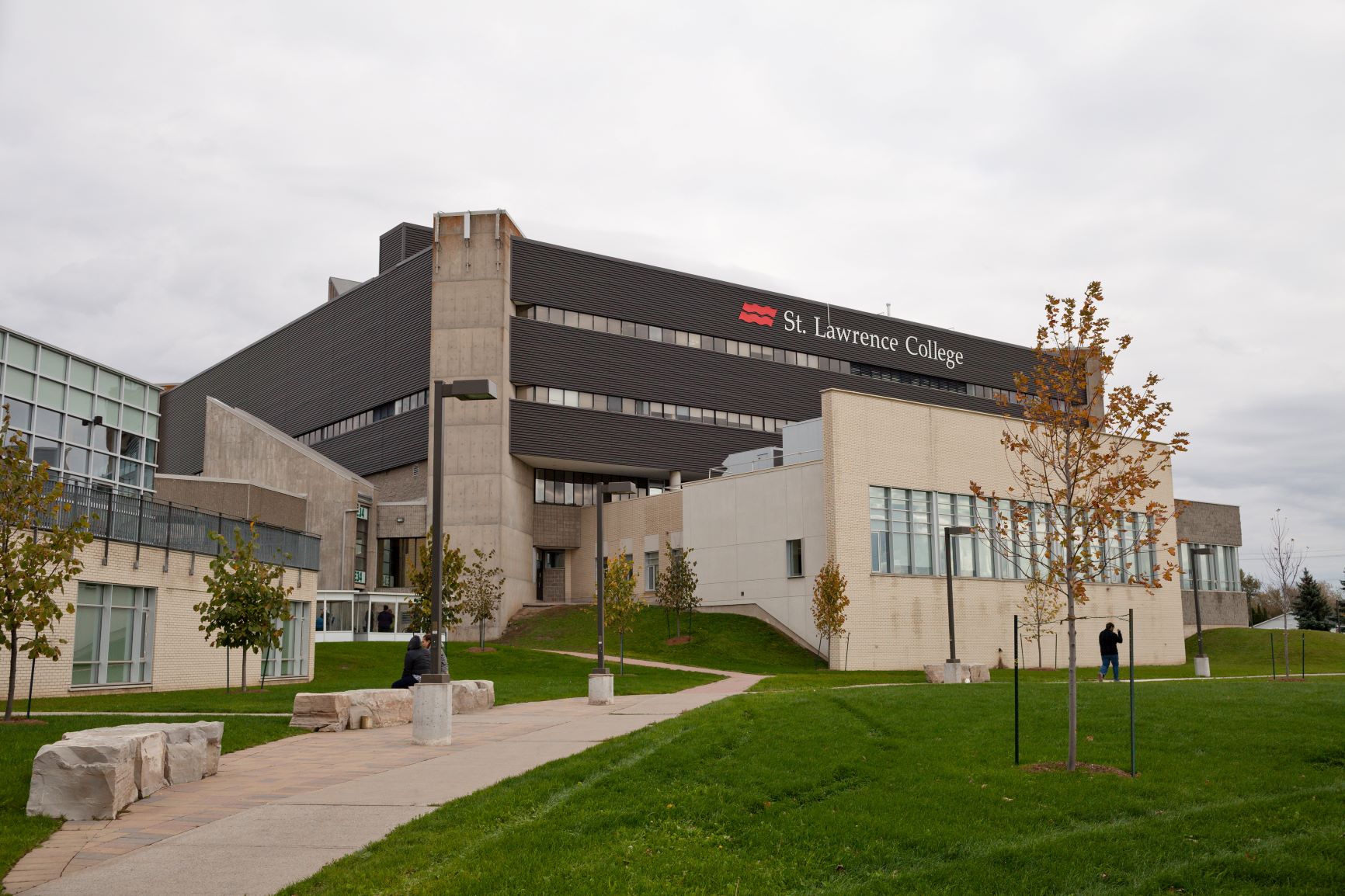
Our Kingston campus has seen significant renovation over the past few years, including a brand new Student Life and Innovation Centre that houses a new gymnasium, fitness centre, cafe, and more.

Career Opportunities
In Canada, degree graduates are prepared for a wide variety of interesting and challenging careers providing services to individuals with intellectual disabilities, autism, brain injuries, addictions, and mental health challenges across the lifespan, in various settings such as hospitals, community and residential services, employment services, education, corrections/forensics, and long-term care.
Careers include:
- Acquired Brain Injury Support Workers
- Addictions Counsellors
- Autism Instructor Therapists
- Behaviour Therapists
- Behavioural Consultants for Individuals with Developmental Disabilities or Geriatric Clients
- Child & Adult Mental Health Counsellors
- Educational Assistants
- Job Coaches
- Life Skills Instructors
- Program Delivery Officers in Correctional Settings
- Rehabilitation Counsellors
- Residential Workers
- Sex Offender Program Counsellors
- Vocational Counsellors
- Young Offender Counsellors
- Youth & Adolescent Workers
Some examples of local employers of our graduates include:
- Addictions and Mental Health Services- KFLA
- Limestone District School Board
- Algonquin Lakeshore Catholic District School Board
- Correctional Services Canada
- Maltby Centre
- Community Living Kingston and District
- Providence Care
- Youth Diversion
- Surrey Place Centre
- Children's Hospital of Eastern Ontario
- Royal Ottawa Hospital
- Centre for Addiction and Mental Health
- Waypoint Centre
- Lakeridge Community Support Services
- Kerry's Place
MINISTRY CONSENT:
St Lawrence College has been granted a consent by the Ministry of Colleges, Universities, Research Excellence and Security to offer this applied degree for a seven-year term starting December 18, 2019. Renewal of the Ministerial Consent is a cyclical requirement. The college shall ensure that all students admitted to the above-named program during the period of consent will have the opportunity to complete the program within a reasonable time frame.
Testimonials
Program Contacts
Program Contact
Laura Campbell, MA, BCBA, Program Coordinator - Honours Bachelor of Behavioural Psychology Years 1 & 2
lacampbell@sl.on.ca
613.544.5400, ext. 1544
Admissions Information
Click here to message Recruitment.