 Indigenous
Overview
The General Construction Carpentry Techniques program allows students to develop many of the skills needed to build a new home or structure or to renovate an old one.
Students learn to produce sketches, work from blueprints, develop building details, and assess construction sites. They are taught carpentry skills from base footings to framing, interior and exterior finishing, and fine finishing techniques.
The program also focuses on energy-efficient and green/sustainable construction practices and methods.
Building and installation techniques are practiced through hands-on construction activities and projects and students hone their skills on a major construction or renovation project in their final semester of study.
Program Details
Program Outline
2026-2027
This course introduces the General Construction Carpentry Techniques student to the mathematics required in the building trades. Problems involving linear measurement, surface area, and volume are solved in both metric and imperial measures.
This introductory course provides the student with the information required for the safe use of hand tools and portable and stationary power tools. Careers in the construction industry are reviewed and an overview of the residential construction process from the footings and foundation to shingles is provided.
This course introduces the field of carpentry. Course content outlines the evolution and regulation of the trade and examines health hazards, safety risks, and PPE (personal protective equipment). Access equipment including ladders and scaffolding is covered in detail as are rigging and hoisting. The application of materials in residential and commercial construction including wood 12 168 12 168 and wood products is discussed. Joints, fasteners, and the selection, use, and maintenance of hand and power tools are explored.
Produce, read, interpret, and apply architectural plans, specifications, regulations, bylaws, and building codes. Identify and interpret the different types and aspects of architectural drawings and related equipment. Draw and/or freehand sketch objects. Identify the relationship between owner, architect, engineer, contractor, and sub-contractors, as well as with controlling authorities, regulations, and codes.
This course provides instruction and practice in college and workplace communication skills with an emphasis on the development of strategies to organize and express ideas in a clear and professional manner. Course work also provides opportunities for the development of students' grammar, research, analytical, reading, and listening skills.
This course will allow students to explore the advanced features of word processing, spreadsheet, presentation, and database packages. They will also learn about the integration of data and graphics between these packages
Describe, explain and execute elements of residential construction including: building code requirements; site and building layout requirements; excavation, footings, supports and foundations; floor and wall framing; ceiling, truss and roof framing; exterior and interior finishes and sill plates. Describe the basic principles of building science as they relate to the building envelope.
Read and interpret residential plans and specifications with reference to plot plans, basement plans, floor plans, elevations, sections, detail drawings, roof plans, door schedule, window schedules room finish schedules, architectural specifications, plumbing, heating, and electrical symbols.
This course focuses on the information and mathematical and problem-solving skills needed to estimate the amount and cost of materials required in residential construction.
Use typical layout instruments. Demonstrate knowledge of safe working practices related to excavation and shoring as well as knowledge of layout and construct footing forms and concrete formwork used in commercial construction and renovations. Install suspended ceiling systems, metal studs, demountable partitions, and commercial hardware. Recognize types of commercial exterior finishes. Calculate, layout, cut, and assemble stairs and ramps. Demonstrate knowledge in the layout, fabrication, construction, and installation of timber structures.
Read and interpret plans, specifications, and codes for Institutions, Commercial and Industrial (ICI) construction.
This course focuses on the information and mathematical problem-solving skills needed to estimate the amount and cost of materials required in commercial construction.
This course provides the student with a basic understanding of computer-aided design terms and techniques and allows for further application of the principles and practices gained in earlier courses dealing with plans, specifications, and codes. Students produce simple mechanical and architectural computer-aided drawings and use this medium to communicate effectively using trade and technical terminology.
In this placement exercise, students undertake related projects related to the residential construction project under the supervision of a college instructor and in partnership with local construction firms and philanthropic organizations. This opportunity provides students with on-site construction experience allowing them to apply the knowledge and skills set acquired over the previous two semesters, enhancing their employability in the construction sector post-graduation.
Requirements
Admission Requirements
Ontario Secondary School Diploma (OSSD) or equivalent including the following prerequisites:
- Grade 12 English at the C, U or E level
- Grade 11 Math
For OSSD equivalency options, see Admissions Requirements.
If you are missing prerequisite courses, enroll in the Career/College Prep program, free for Ontario residents who are 18 years or older.
- Are your transcripts from outside of Canada? Please visit Applying to SLC - With Your Transcripts for more information.
Fees
2026-2027
Fees are estimates only. Tuition is based on three semesters.
Fees are estimates only. Tuition is based on three semesters.
Cornwall
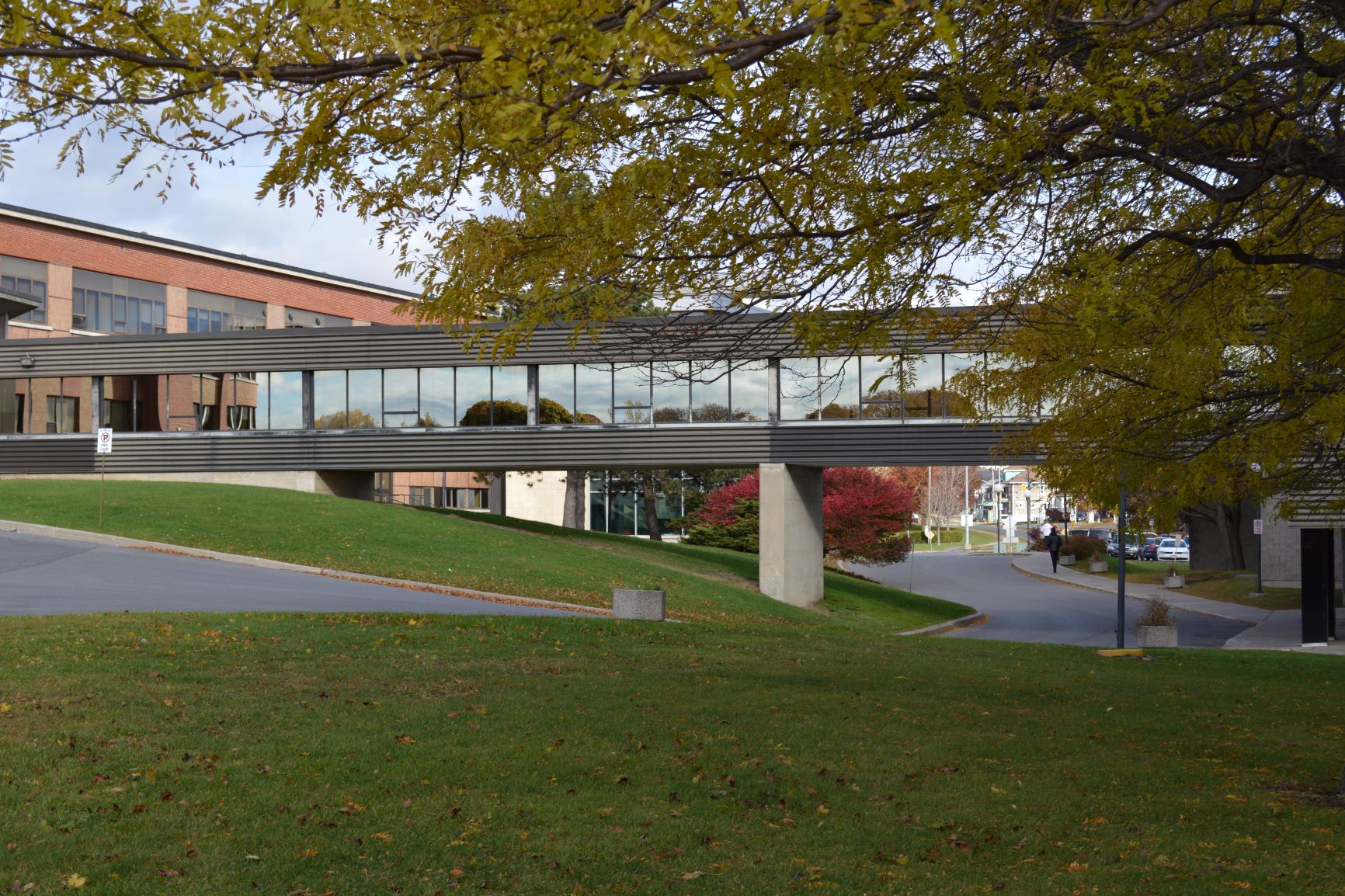
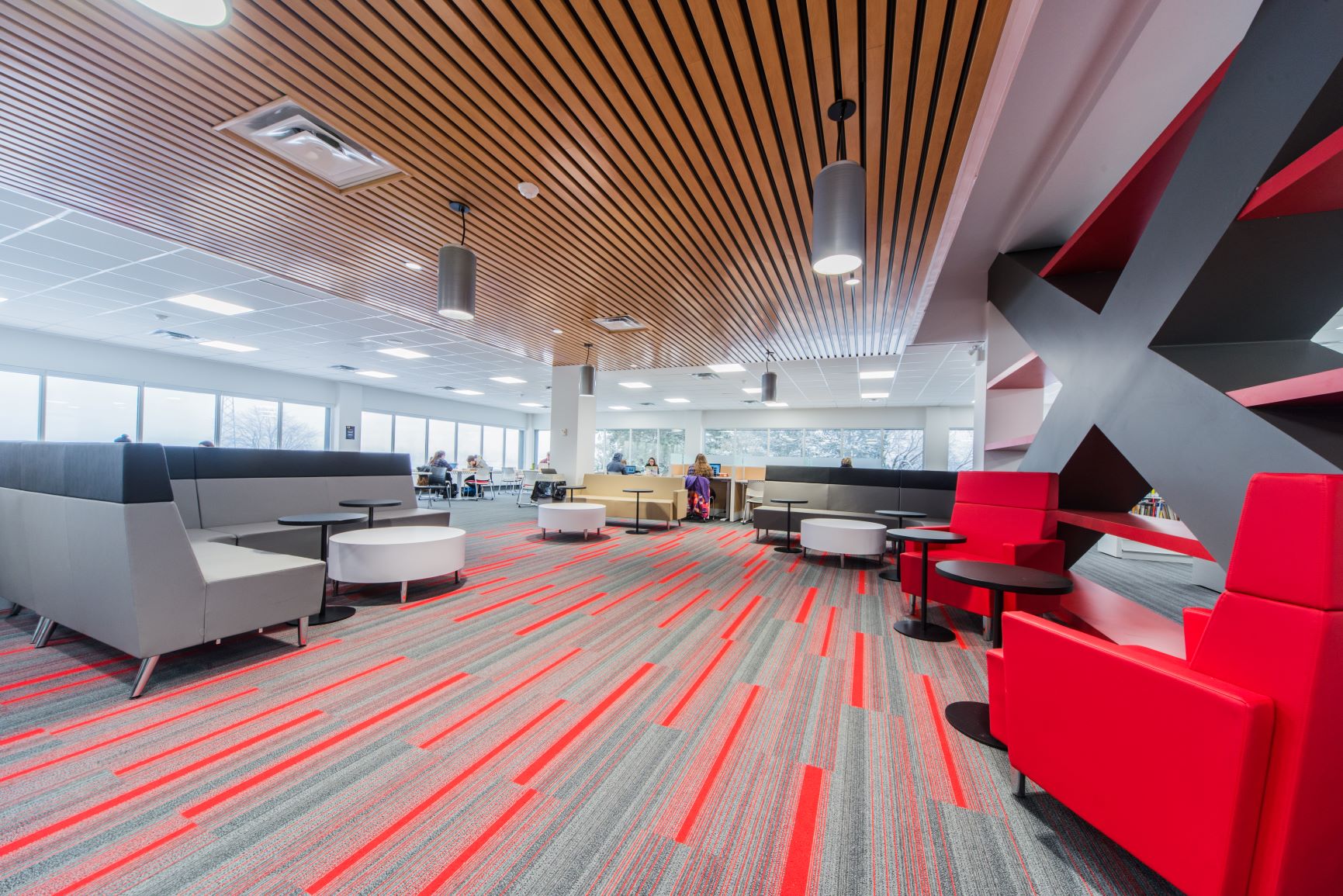
Enjoy waterfront views, modern health labs, a newly renovated library, and vibrant student spaces in our our Cornwall campus.
Career Opportunities
This program is designed to address the chronic shortage of certified skilled trade workers in the construction industry. Job prospects are favourable and there is a great satisfaction to be gained from working on a project from the design phase through completion.
Program graduates are prepared for a variety of opportunities in residential or commercial construction and renovation. They may go on to specialize as home builders, renovators, general carpenters, exterior siding installers, home and building inspectors, green/sustainable builders, fine finish carpenters, project coordinators, or estimators. Graduates may find employment with general contractors, subcontractors, new home builders, woodworking shops, restoration contractors, or as independent contractors running their own business. Opportunities also exist in the retail sector in hardware stores and at lumberyards and building centres.
Other Information
Additional Costs (estimations)
- Books and supplies $300
- Personal protective items (e.g. work boots, safety glasses) $150
- Tools (e.g. nail pouch, hammer, tape measure, combination square, utility knife, wood chisel) $200
Student Workload Demands
The student can expect to work a minimum of 5-10 hours per week outside of classroom time on course material.
Program Contacts
Program Contact
Robbie Renaud
rrenaud@sl.on.ca
613.933.6080 ext. 2259
Admissions Information
Click here to message Recruitment.