 Indigenous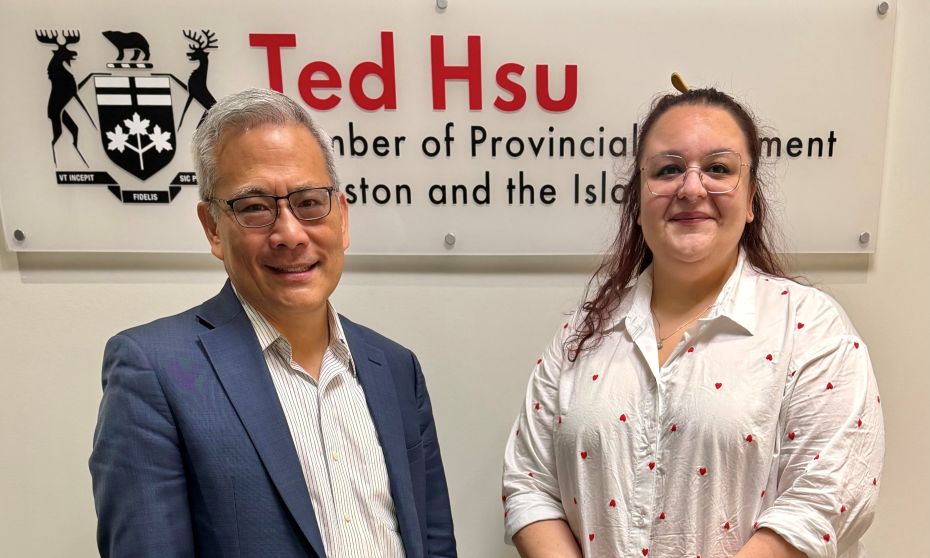
Submitted by Lou Downie, graduating student, Honours Bachelor of Behavioural Psychology
As I approach the completion of my Honours thesis, I have begun to explore how this work can extend beyond academic research and contribute to practical, community-based solutions. My project examined access to laundry and hygiene services among individuals experiencing homelessness, with a focus on the broader implications for health, dignity, and quality of life.
Conducting research within this population presents significant challenges, particularly in relation to recruitment, trust, and ethical oversight. Research involving individuals experiencing homelessness often requires careful review due to heightened vulnerability and the need for strong ethical safeguards.
In this context, receiving expedited ethics approval was a significant milestone, reflecting the strength and preparedness of the research design and allowing for timely, direct engagement with individuals experiencing chronic homelessness. Through a mixed-methods approach, the research captured both quantitative indicators of health and qualitative insights into lived experience.
Findings from this research highlighted that barriers to laundry and hygiene access are driven by cost, accessibility, and stigma, with impacts extending beyond physical health to dignity and engagement with services. These results point to a significant gap in both research and policy, where laundry access remains largely overlooked despite its role in overall well-being.
This project represents a non-traditional application of Applied Behaviour Analysis (ABA) by shifting the focus away from individual behaviour change and toward the environmental and systemic conditions that shape behaviour. Rather than targeting behaviour at the individual level, this work examines how barriers such as cost, accessibility, and service design function as controlling variables that influence engagement in essential hygiene practices. In this way, ABA is used to analyze patterns of access and exclusion, positioning behaviour not as an isolated outcome, but as a response to broader structural contingencies. This approach extends the application of ABA into community and public health contexts, highlighting its potential to address complex, real-world issues through systems-level intervention.
In an effort to explore how these findings could inform real-world application, I independently sought and secured a meeting with Ted Hsu, the Member of Provincial Parliament (MPP) for Kingston and the Islands. As an elected provincial representative, an MPP is responsible for contributing to legislation, shaping policy, and advocating for community needs at the provincial level. This work has also received early community recognition through a micro-grant from Awesome Kingston, supporting the initial exploration of practical, community-based applications.
During this discussion, the concept of a mobile laundry and shower unit was explored as a strategy to increase accessibility, particularly for individuals who are not currently engaging with existing services. This model was identified as a potentially feasible entry point due to its flexibility and its ability to mitigate common barriers associated with fixed service locations, including neighbourhood resistance and limited reach.
A central focus of the meeting was the need to move beyond conceptual value and toward demonstrable impact. Emphasis was placed on the importance of establishing clear cost-benefit outcomes and measurable indicators of success. While qualitative findings related to dignity and lived experience are essential, the discussion highlighted the necessity of pairing these insights with quantitative data that can inform policy and funding decisions. Examples of relevant measures included healthcare utilization, preventable health outcomes, and engagement with services such as medical appointments.
The conversation also introduced the potential for this work to develop into a larger, structured pilot or follow-up study. This would involve expanding the sample size, strengthening quantitative measures, and establishing partnerships with community organizations and academic institutions. Potential funding pathways discussed included research grants and community-based funding models, with the long-term goal of developing a sustainable and scalable intervention.
This experience represents an important step in bridging the gap between research and practice. It underscores the value of student-led research in identifying overlooked gaps within existing systems, while also highlighting the level of evidence required to influence policy and program development. Moving forward, this work will continue to focus on building a stronger evidence base to support the implementation of accessible, low-barrier hygiene services within the community.