Indigenous
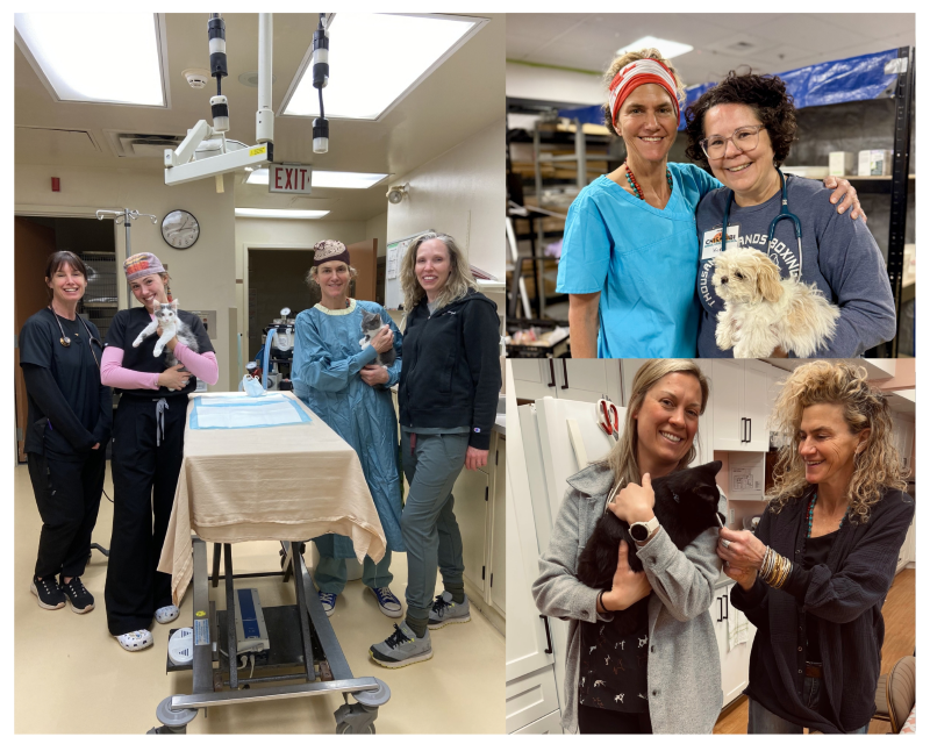
 From Indigenous communities in northern Quebec to women's shelters and low-cost veterinary clinics in Kingston, faculty and staff in SLC’s Veterinary Technology program are helping expand access to veterinary care for underserved populations while creating meaningful experiential learning opportunities for students. The work led by Dr. Laura Prociuk and her colleagues including Kim Pullaw, Catherine Crandell, Karoline Fisher, Laura McKercher, Kathleen Furber, and community partners, reflects a growing commitment to addressing both animal welfare and broader community needs.
As part of a sabbatical focused on community access to veterinary care, Laura has been developing partnerships that connect veterinary services with individuals and communities who may face financial, geographic, or social barriers to care. One recent initiative saw Laura and Kim participate in a five-day outreach program with the Northern Dog Project in two Cree Nation communities in northern Quebec. They provided health checks, vaccinations, and spay/neuter services while strengthening relationships with Indigenous communities and gaining insights they can bring back into the classroom. The partnership has also opened the door to potential future placement opportunities, allowing students to gain experience in community-based veterinary care while developing cultural competency skills that are increasingly important in the profession.
In Kingston, the Veterinary Technology program has been building relationships with organizations that support vulnerable populations. Through partnerships with local women's shelters, the team provides wellness checks and vaccinations for pets, helping remove a barrier that can prevent women from accessing shelter services. They have also worked with organizations serving unhoused individuals and their pets, recognizing the vital role animals play in people's lives. These collaborations demonstrate how veterinary care can support broader community well-being while exposing students to the social factors that influence animal health and access to care.
Another key initiative was the launch of a pilot low-cost spay and neuter clinic at SLC. Created as part of Laura's sabbatical work, the clinic provided affordable access to essential veterinary services for pet owners who might otherwise struggle to obtain care. Faculty hope the initiative will continue to grow, creating additional placement and volunteer opportunities for students while helping meet an identified community need. Students involved in future clinics would gain hands-on experience working with clients, supporting surgical procedures, and delivering preventive care in a real-world setting.
"These community partnerships are about more than providing services. They create opportunities for students to learn from diverse populations, apply their technical skills in meaningful ways, and better understand the role veterinary professionals can play in supporting healthy communities," Laura said. "Whether working with Indigenous communities, assisting women and their pets during difficult life transitions, or helping improve access to affordable care, students can see firsthand how their future profession can make a difference beyond the walls of a traditional clinic."
Many of these initiatives are building partnerships that benefit both the community and the next generation of veterinary professionals, creating richer learning experiences for students while extending access to care for those who need it most.
Veterinary Technology Faculty Build Community Partnerships to Improve Access to Animal Care